
Stewart County Arrest Records and Charges
Stewart County arrest records begin with the agency that makes or books the arrest. For local custody matters, the Stewart County Sheriff is the key office because the county sheriff serves as jailor, executes court process, attends Superior Court and Probate Court when required, and handles sheriff process duties. Sheriff Larry Jones is listed by the county directory with the Stewart County Sheriff Department, and the official sheriff page describes the office's role in court orders, sales, citations, writs, and jail responsibilities.
A court charge record is different. It is the court-facing record of what the state alleges after an arrest, warrant, citation, or bind-over. In felony matters, the Southwestern Judicial Circuit District Attorney decides many Stewart County Superior Court prosecutions and charge filings. The Stewart County criminal court records file then follows pleas, motions, hearings, dispositions, sentences, and post-judgment entries. Booking or custody questions belong with the jail and inmate channels, while the charge list and charge status belong with the court case and prosecutor record.
The Georgia Bureau of Investigation sex offender registry is one statewide public-safety source linked from the Stewart County Sheriff's Office site. It is useful when a record search concerns a registered sex offender, but it is not a general Stewart County arrest-log search or a list of all charges after arrest.

That distinction matters because registry results, arrest records, jail custody, and filed court charges answer different questions.
Find Stewart County Arrest Records
There is no Stewart County source in the research that publishes a complete online arrest blotter, mugshot database, or post-booking charge index. The practical search path is a fallback chain. Start with the Stewart County Sheriff's Office for current custody, booking, or sheriff records. Move to the Clerk of Superior Court when the matter has become a Superior Court criminal case. Use the Magistrate Court for warrant-origin questions, and use municipal or Probate Court contacts when the charge began as a local citation or traffic matter.
- Call the Stewart County Sheriff's Office at (229) 838-4311 for custody, booking, or sheriff-record questions tied to a recent arrest.
- Ask whether the case has been filed in court, which court is handling it, and whether a case number or warrant number is available.
- For Superior Court charges, contact the Clerk of Superior Court or use Georgia Courts e-access to reach the Stewart Superior PeachCourt provider when account access is available.
- For prosecution decisions, confirm felony or state criminal filings with the Southwestern Judicial Circuit District Attorney where appropriate.
- For state-level criminal-history restriction or dissemination issues, use the Georgia Bureau of Investigation process tied to O.C.G.A. 35-3-37.
For charge records that have become court cases, the Clerk of Superior Court is the local file keeper. Georgia Courts lists Stewart Superior under PeachCourt, but the public e-access directory redirects users to the provider and notes that an account is required. Direct clerk contact is still important for certified copies, older files, restricted records, and cases that cannot be found through account-gated access.
The Georgia record restriction statute is the key state authority for criminal-history restriction. It should be read with the actual arrest agency, prosecutor decision, and court disposition, since eligibility depends on more than the fact that an arrest occurred.
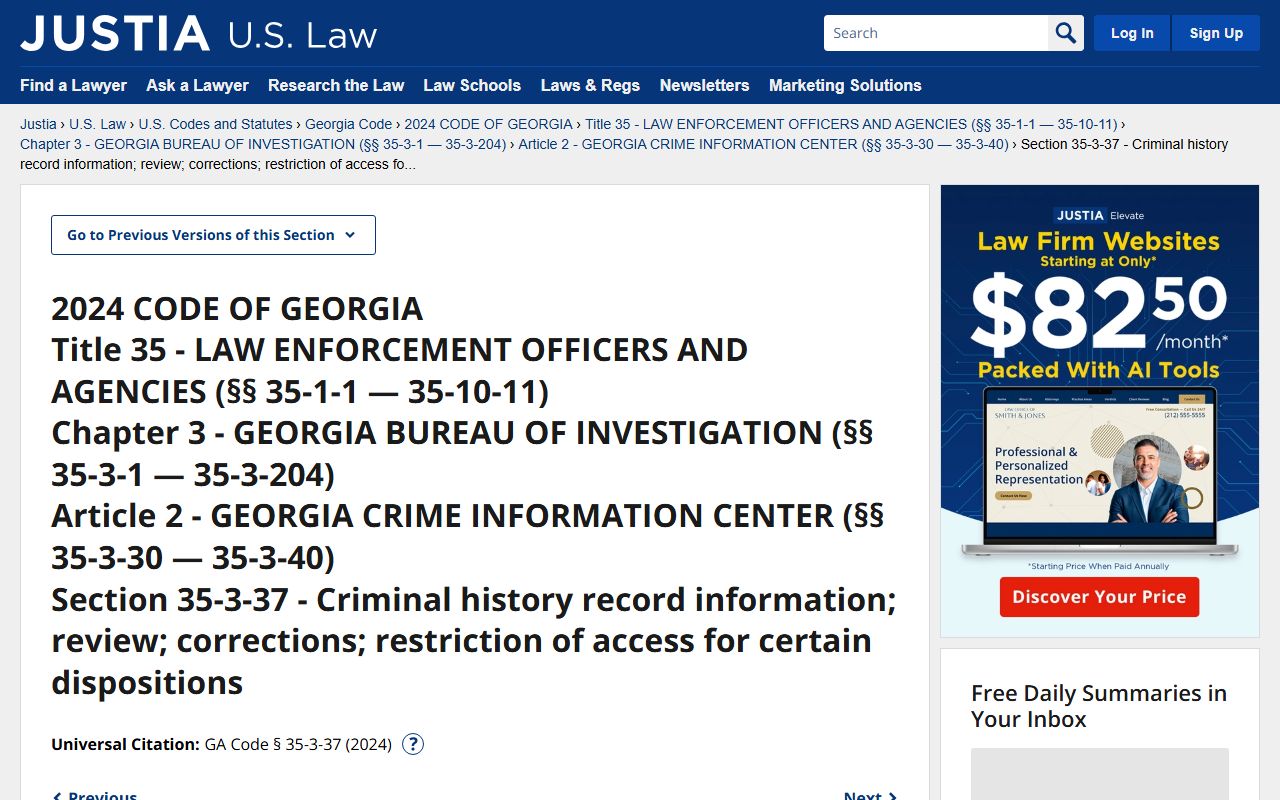
Restriction rules can change what the public sees, but they do not erase every law-enforcement or court trace for criminal-justice users.
Stewart County Charges After Arrest
Charges after arrest are not the same as the arrest itself. An officer may arrest a person on a warrant, alleged offense, or court process. The prosecutor then reviews facts, reports, warrants, and available proof before deciding what charges should be filed. In Stewart County Superior Court matters, that prosecutor is the Southwestern Judicial Circuit District Attorney. The DA page for the circuit identifies Lewis R. Lamb as District Attorney, and the Prosecuting Attorneys' Council listing gives the Stewart County prosecutor contact in Americus.
The Southwestern Judicial Circuit District Attorney page is a useful source for the prosecuting office serving Stewart County. It confirms the circuit-level nature of felony prosecution for this small county.
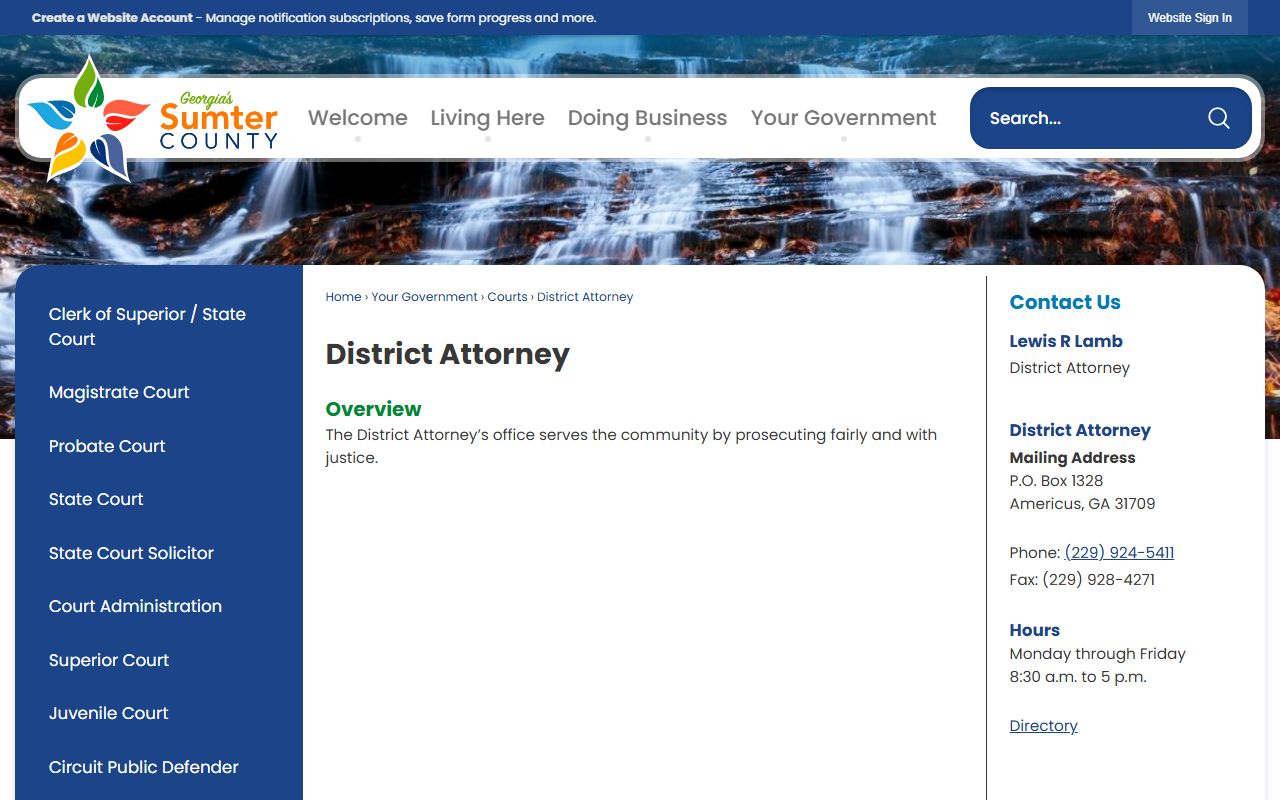
That circuit structure means a Stewart County arrest may produce local court activity in Lumpkin while the prosecuting office contact sits in Americus.
| Document | Who Uses It | What It Does |
|---|---|---|
| Complaint | Law enforcement or prosecutor | States the alleged offense and can support initial court action, warrants, or misdemeanor process. |
| Accusation or information | Prosecutor | Files formal charges without describing a final conviction or sentence. |
| Indictment | Grand jury | Charges serious felony matters after grand-jury review and moves the case into Superior Court prosecution. |
Stewart County Charge Status
Charge status can change. A charge may start as one alleged offense and later be amended, reduced, dismissed, or resolved by plea or trial. Georgia court records use the term disposition for the outcome of a charge or case. A disposition is the point where a reader can tell whether the charge ended in conviction, dismissal, nolle prosequi, acquittal, or another result. Until then, a charge is an allegation.
| Status | What It Means |
|---|---|
| Pending | The charge has been filed or is awaiting court action, and no final outcome has been entered. |
| Amended or reduced | The prosecutor or court record reflects a changed offense, level, or charge wording. |
| Dismissed | The charge no longer proceeds in that case, though related charges may remain active. |
| Nolle prosequi | The prosecutor chooses not to pursue that charge, often shown as a formal case entry. |
| Convicted | A plea or verdict has produced guilt and a sentence, fine, probation term, or other judgment. |
One arrest can produce several charges. Each charge may have its own status, plea, sentence, or dismissal entry, so a Stewart County arrest record should not be read as a single court outcome.
Stewart County Charges vs Convictions
A charge is an allegation that a person violated a criminal statute or ordinance. A conviction is an outcome after a guilty plea, verdict, or other adjudication that produces guilt. The difference is central to Stewart County arrest records because a person may be arrested and charged, yet later have the charge dismissed, reduced, restricted, or resolved without a conviction.
| Point | Charge | Conviction |
|---|---|---|
| Record stage | Begins after arrest, warrant, citation, accusation, or indictment. | Appears after plea, verdict, or final court finding. |
| Meaning | An accusation that still must be resolved. | A final or reportable finding of guilt. |
| Where checked | Sheriff, Magistrate Court, prosecutor, clerk, and court docket. | Court disposition, sentencing entry, GBI history, and sometimes DDS or custody systems. |
| Risk of mistake | May be stale if a later dismissal or reduction is missed. | May still need clerk confirmation if restriction, appeal, or correction applies. |
The Prosecuting Attorneys' Council Stewart County listing confirms the circuit prosecutor contact for Stewart County charge decisions.

Prosecutor listings are not case-result databases, but they identify the office that often controls filed charges, reductions, and dismissal decisions.
Restricted Stewart County Arrest Records
Georgia public access is broad, but it is not unlimited. O.C.G.A. 50-18-70 states the public-records policy, and O.C.G.A. 50-18-71 covers inspection, copying, timing, and lawful fees. Court records also follow court rules, sealing orders, provider access limits, and confidentiality laws. Juvenile matters, sealed records, adoption files, mental-health proceedings, active investigations, Social Security numbers, financial account numbers, and minor identifying details should not be treated as ordinary public lookup material.
Georgia uses record restriction language for many criminal-history limits. GBI says arrests after July 1, 2013 use a prosecutor-contact route for many non-conviction restrictions, while older arrests may begin with the arresting agency. Stewart County Superior Court matters generally point back to the Southwestern Judicial Circuit District Attorney for prosecutor review, while local or traffic matters may require confirming which court or prosecutor handled the charge.
Common limits include sealed court files, restricted criminal-history dissemination, juvenile or adoption matters, and active investigations. A public user may be blocked from those records even when a court, prosecutor, law-enforcement agency, or other criminal-justice user keeps internal access.
For a practical Stewart County charge check, pair the arrest source with the court source. The sheriff may confirm custody or booking details, but the clerk or court docket is needed to confirm whether a charge was filed, amended, reduced, dismissed, or resolved. If the arrest was tied to a city citation, call Lumpkin or Richland before assuming the Superior Court clerk has the first record. If the case is felony-level, the prosecutor and Superior Court docket are the better places to verify filed charges and final disposition.
The Georgia Public Defender Council Stewart County listing identifies the Southwestern Circuit public defender for eligible defendants in criminal and juvenile matters.
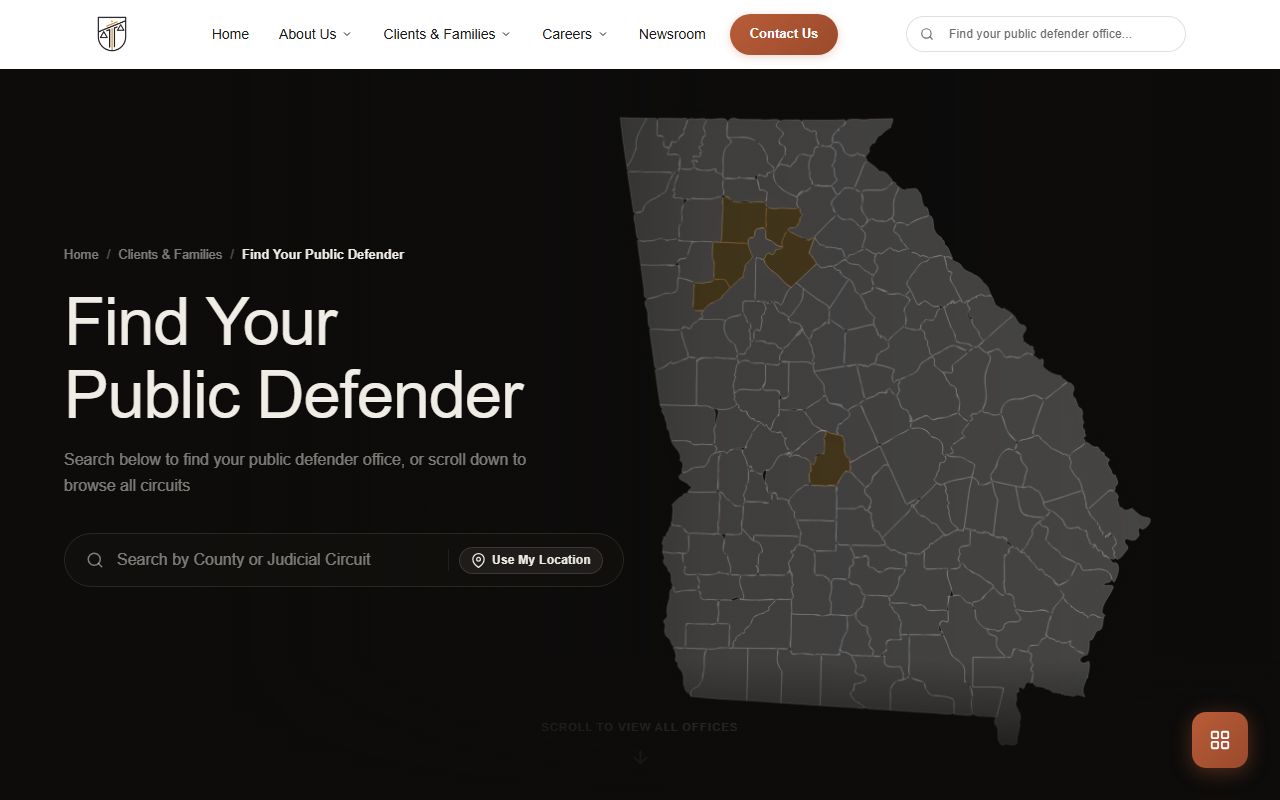
Public defender information helps defendants with pending charges, but it is not a public-records request office for general background searches.
Important: Public arrest and charge data should be verified with the originating Stewart County office before being used for any legal purpose.